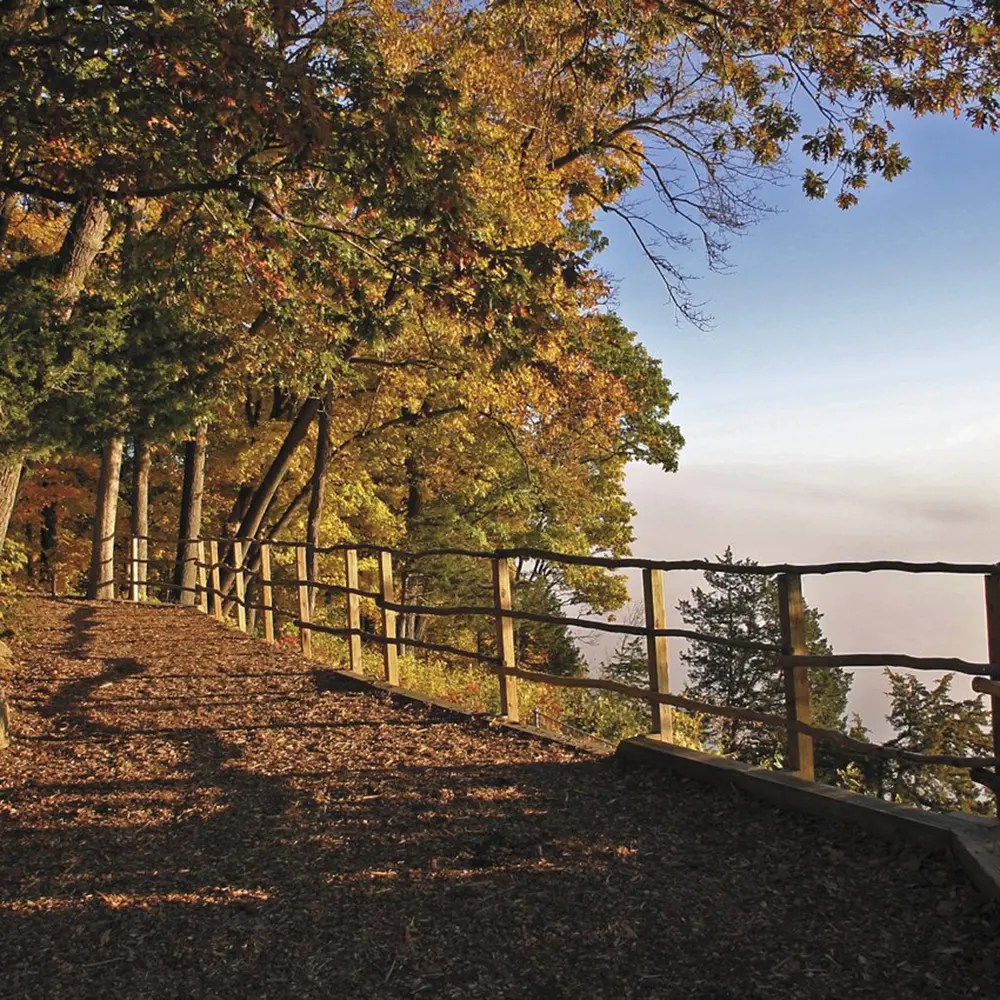
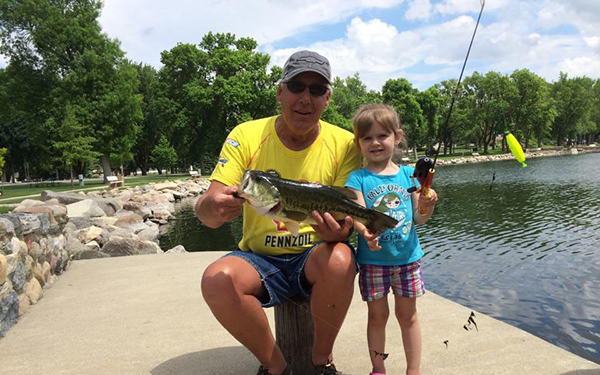
Beautiful hues of crimson, orange and gold, crisp mornings and cooler temperatures are all sure signs that fall is here. Another sign? Fish are biting like crazy. Fall is a fantastic time to get out on the water and cast your lines in Iowa.
Fall is arguably Iowa's best fishing season, and according to Tyler Stubbs, community fisheries biologist for the Iowa Department of Natural Resources (DNR), one of the most underrated. No matter where you are in the state, there are no shortage of great options to explore (even in community ponds).
“Fall is a great time to catch big fish,” he said. “Whether you’re in downtown Des Moines or you’re out in the middle of nowhere, there’s somewhere that you can go and escape, and you can also be successful.”
As water temperatures drop, fish become hyperactive and ready to pounce, knowing that winter isn't far behind. They feed voraciously to build up fat reserves, making them more willing to bite than at almost any other time of year. The result? Better catch rates, bigger fish and an unforgettable experience on the water.
And as an added bonus, there’s not a more scenic time to be on the water. Watch the shoreline transform in real time as leaves shift from green to brilliant fall shades, all without the summer fishing crowds, mosquitoes and heat, so the only sweating you'll do is deciding which lures, locations and techniques to plan out.
“Fall is a great time to catch big fish,” he said. “Whether you’re in downtown Des Moines or you’re out in the middle of nowhere, there’s somewhere that you can go and escape, and you can also be successful.”
As water temperatures drop, fish become hyperactive and ready to pounce, knowing that winter isn't far behind. They feed voraciously to build up fat reserves, making them more willing to bite than at almost any other time of year. The result? Better catch rates, bigger fish and an unforgettable experience on the water.
And as an added bonus, there’s not a more scenic time to be on the water. Watch the shoreline transform in real time as leaves shift from green to brilliant fall shades, all without the summer fishing crowds, mosquitoes and heat, so the only sweating you'll do is deciding which lures, locations and techniques to plan out.
Types of Fish
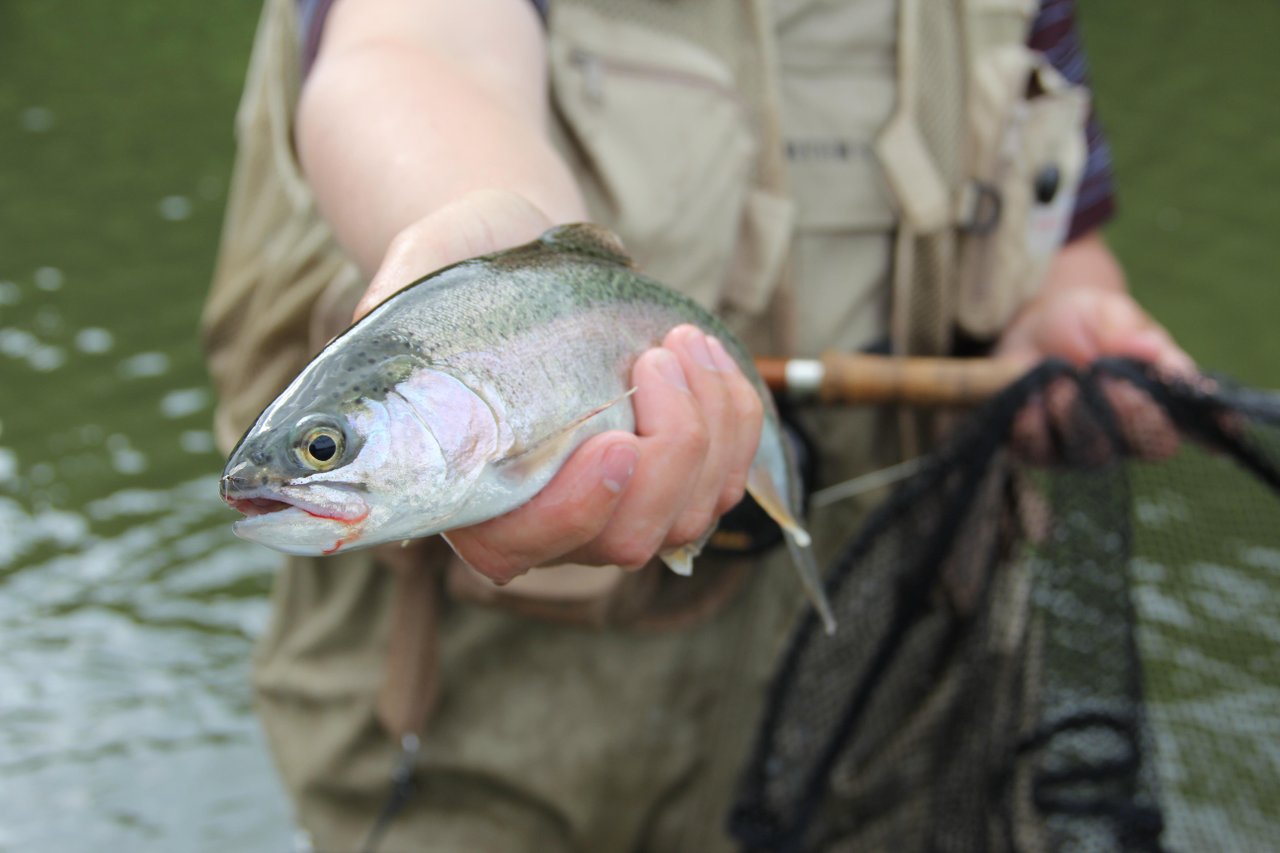
Walleyes: One of fall’s premier targets, walleyes tend to lurk in larger streams but stay in shallower waters right above steep breaks. You’re likely to find some of the biggest lake walleye this time of year.
Smallmouth Bass: While largemouth bass dominate summer, smallmouth bass shine in fall. Look for shallow water near rocky areas, submerged boulders, weed edges and fallen timber.
Brown Trout: In Northeast Iowa, brown trout naturally reproduce in almost all of the cold-water streams. Many areas in this region have good to excellent numbers of wild brown trout that challenge even the best anglers, with trout growing up to 20 inches here. Grasshoppers (live or imitation) and nightcrawlers are your best bets for bait.
Catfish: Channel and flathead catfish move into the deepest holes available as water temperatures drop, often looking for refuge in holes deeper than 15 feet. Catfish also remain active longer into the fall than many other types of fish.
Crappie: Spring and summer are often thought of as the best time for crappie fishing, but they’re still plenty active in the fall. Look for these fish along weed edges and shallow structures before steep drop-offs or try your luck near a dock.
Smallmouth Bass: While largemouth bass dominate summer, smallmouth bass shine in fall. Look for shallow water near rocky areas, submerged boulders, weed edges and fallen timber.
Brown Trout: In Northeast Iowa, brown trout naturally reproduce in almost all of the cold-water streams. Many areas in this region have good to excellent numbers of wild brown trout that challenge even the best anglers, with trout growing up to 20 inches here. Grasshoppers (live or imitation) and nightcrawlers are your best bets for bait.
Catfish: Channel and flathead catfish move into the deepest holes available as water temperatures drop, often looking for refuge in holes deeper than 15 feet. Catfish also remain active longer into the fall than many other types of fish.
Crappie: Spring and summer are often thought of as the best time for crappie fishing, but they’re still plenty active in the fall. Look for these fish along weed edges and shallow structures before steep drop-offs or try your luck near a dock.
Best Places to Go
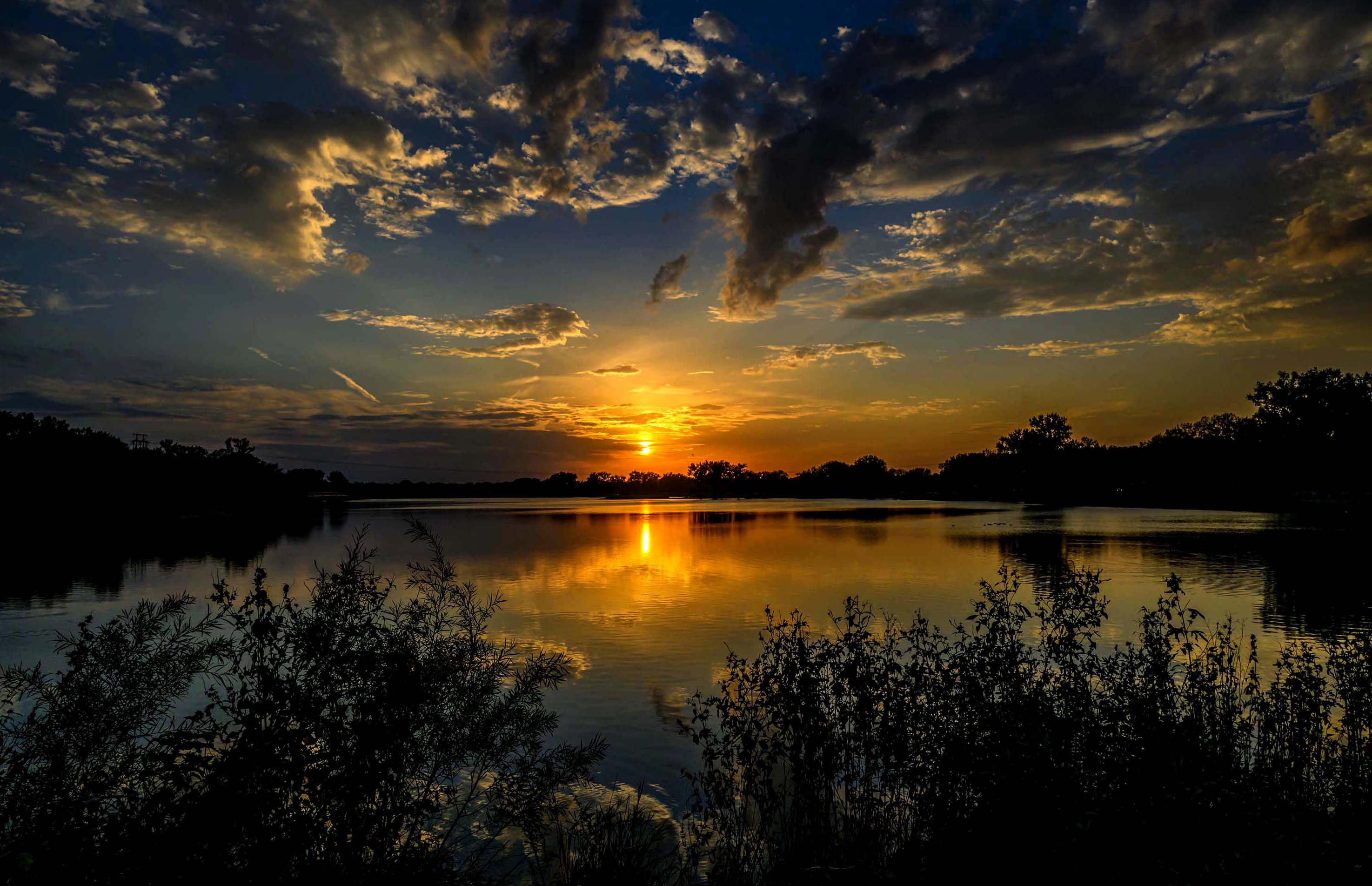
Upper Iowa River: Popular for canoeing, kayaking and floating, this spot in Northeast Iowa is one of the most scenic in the state for fall views. Trophy-size walleye can be found, as well as excellent smallmouth bass fishing.
Clear Lake: Iowa's largest glacial lake has excellent walleye, yellow bass, channel catfish, crappie and bluegill fishing. The public access points are well-maintained, and facilities make it a convenient choice.
Green Valley Lake: In southwest Iowa, near the community of Creston, anglers love Green Valley Lake for the large variety of fish that inhabit it and because access to the water is easy. In the fall, you’re likely to find largemouth bass, black crappie and walleye.
Lake Rathbun: Stubbs cites Rathbun as a hotspot with diverse fishing, but this is Iowa's perennial crappie hot spot, where anglers catch them by the dozens. White bass and hybrid striped bass fishing is also tough to beat.
Big Creek Lake: Just 20 miles from Des Moines, this 866-acre reservoir is home to legendary walleye fishing, as well as great crappie and bluegill fishing.
Yellow River: Much of the area is private land (meaning you can fish in a canoe or kayak and need permission to fish on land or wade to fly fish) but make no mistake – there are trophy brown and rainbow trout to be found, alongside gorgeous overhanging bluffs and fall color.
Lake Manawa: If you’re coming from the west, you can find a good variety of fish in Council Bluffs – walleyes, wipers, blue catfish, crappie and yellow bass are all plentiful.
Clear Lake: Iowa's largest glacial lake has excellent walleye, yellow bass, channel catfish, crappie and bluegill fishing. The public access points are well-maintained, and facilities make it a convenient choice.
Green Valley Lake: In southwest Iowa, near the community of Creston, anglers love Green Valley Lake for the large variety of fish that inhabit it and because access to the water is easy. In the fall, you’re likely to find largemouth bass, black crappie and walleye.
Lake Rathbun: Stubbs cites Rathbun as a hotspot with diverse fishing, but this is Iowa's perennial crappie hot spot, where anglers catch them by the dozens. White bass and hybrid striped bass fishing is also tough to beat.
Big Creek Lake: Just 20 miles from Des Moines, this 866-acre reservoir is home to legendary walleye fishing, as well as great crappie and bluegill fishing.
Yellow River: Much of the area is private land (meaning you can fish in a canoe or kayak and need permission to fish on land or wade to fly fish) but make no mistake – there are trophy brown and rainbow trout to be found, alongside gorgeous overhanging bluffs and fall color.
Lake Manawa: If you’re coming from the west, you can find a good variety of fish in Council Bluffs – walleyes, wipers, blue catfish, crappie and yellow bass are all plentiful.
Tips for Catching a Trophy Fish
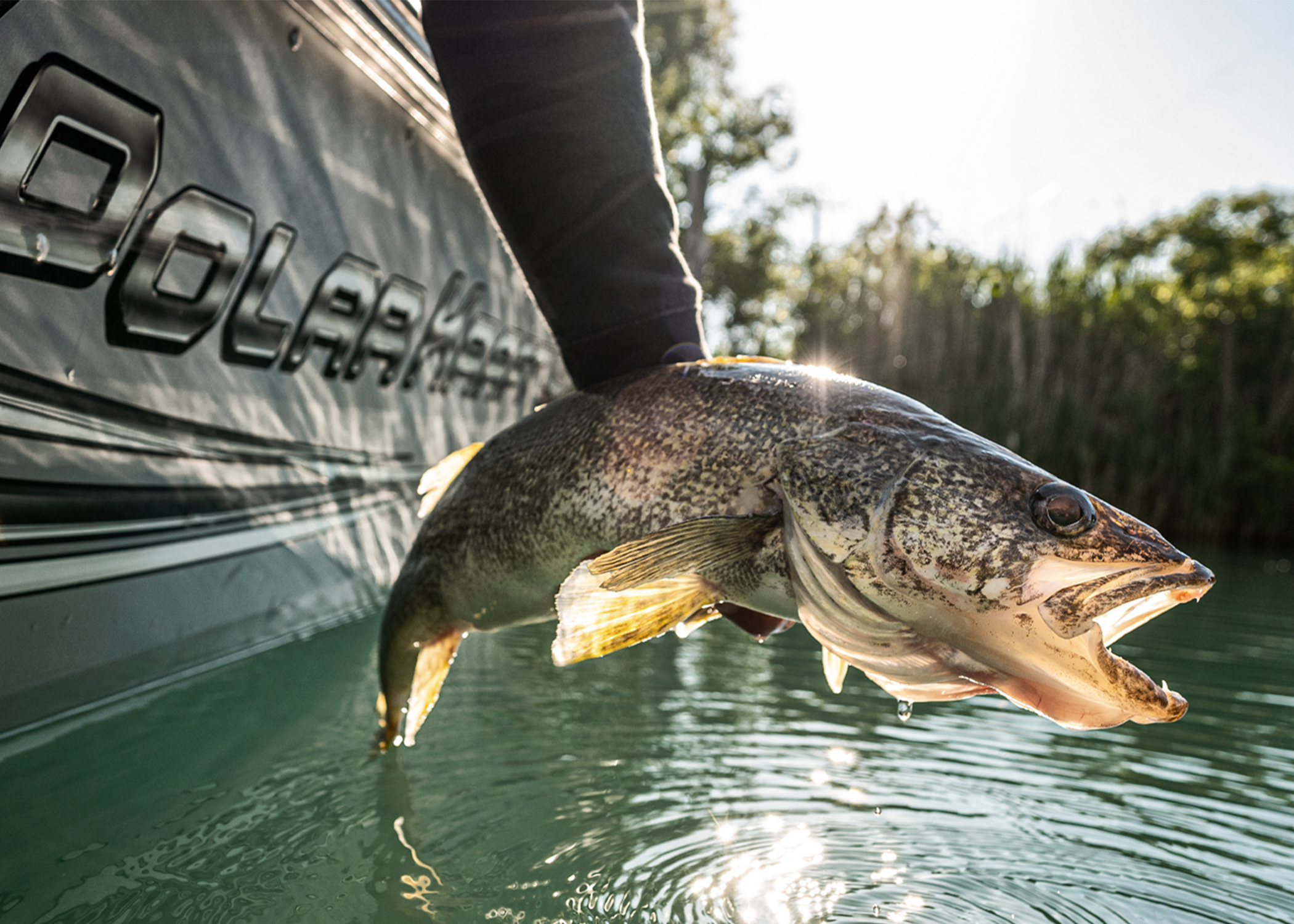
When fish first begin moving to their wintering holes in early fall, they're actively feeding. During this period, use deep-running crankbaits that reach the 15–25-foot range and jigs with plastic trailers to match their aggressive feeding behavior. Cast near structure and along break lines.
As water temperatures continue to drop in mid to late fall, fish metabolisms slow slightly and they become more selective. Switch to jigs tipped with live minnows or live shiners dropped slowly near the bottom. The key is presenting food naturally and moving it deliberately to trigger strikes – Stubbs says grasshoppers, crickets and anything that mimics what fish are feeding on is a safe bet.
As water temperatures continue to drop in mid to late fall, fish metabolisms slow slightly and they become more selective. Switch to jigs tipped with live minnows or live shiners dropped slowly near the bottom. The key is presenting food naturally and moving it deliberately to trigger strikes – Stubbs says grasshoppers, crickets and anything that mimics what fish are feeding on is a safe bet.
Location Strategy
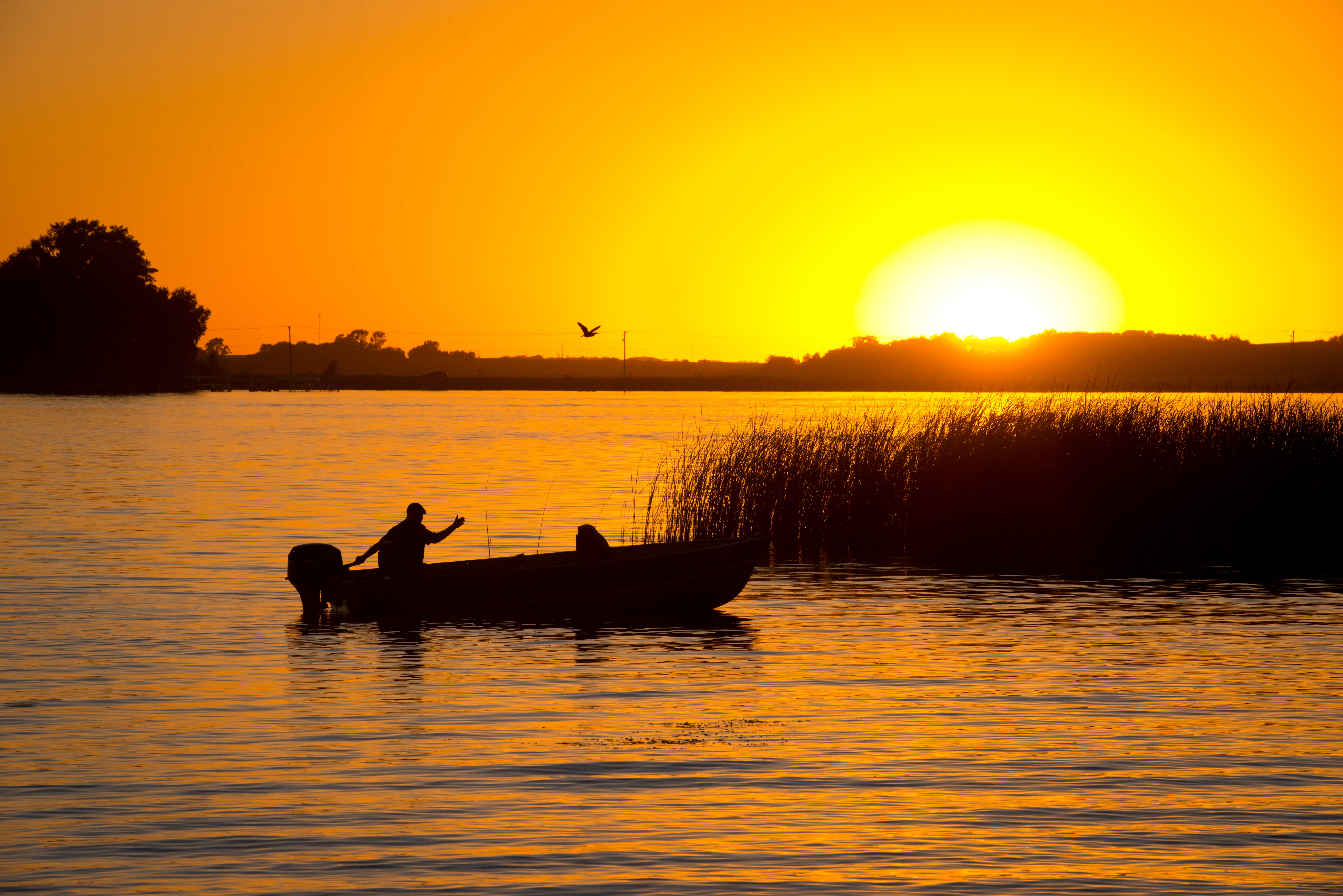
In early fall, fish transition between shallow summer feeding zones and deeper winter structure, but by mid-fall, look for deep break lines and drop-offs adjacent to deeper holes. By the end of fall, you may want to start looking ahead to ice fishing season, but you can still find fish in the deepest available water and holes where fish are hunkering down for the winter.
Overcast days are often superior to sunny days for fishing – light conditions encourage fish to move shallower and feed more actively.
Overcast days are often superior to sunny days for fishing – light conditions encourage fish to move shallower and feed more actively.
Seasonal Considerations
Check local regulations before your trip, as fall fishing seasons vary by species and location. Some fish species have specific seasonal closures, and size/bag limits may differ from summer regulations. Stubbs recommends reviewing Iowa DNR’s weekly fishing report that’s sure to give you some useful real-time tips from anglers, bait shops and conservation officers.